
3 Things with Chris Flint Chatto
Portland has an amazing sustainability community, and we want to highlight the people and work that shape our unique city. We’re sharing their answers to questions we posed.
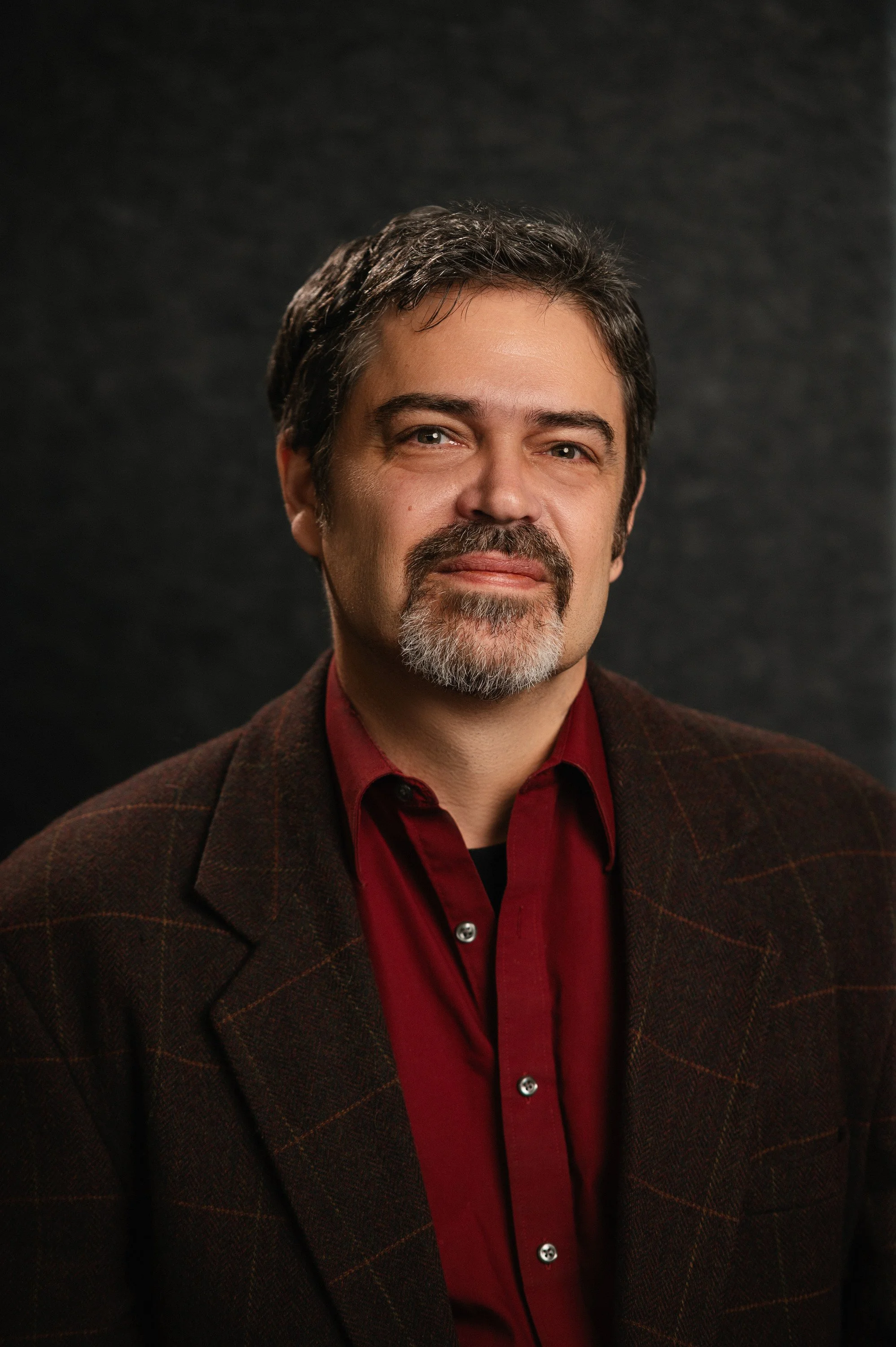
Meet Chris Chatto. For nearly two decades, Chris Chatto has been a leading force in sustainable design at ZGF, integrating design excellence, analytical rigor, and human-centered thinking to create transformational projects. His portfolio includes groundbreaking work such as the PAE Living Building, the Rocky Mountain Institute Innovation Center, Federal Center South, and Stanford’s Central Energy Facility. With a background in environmental policy and a business degree from the Wharton School, Chris brings a triple-bottom-line perspective that aligns environmental, social, and economic goals with his clients’ missions. He is currently co-chair of the AIA Large Firm Roundtable Sustainability Committee and shares his expertise in integrated net zero design through teaching and design studios at the University of Washington, the University of Oregon, and Portland State University.
Now, we’ll hand it over to Chris to share his perspective on sustainability, Portland’s future, and the projects and collaborations that inspire him.
1. What does sustainability mean to you?
I’m old school, perhaps, in believing that “sustainable” means something can be repeated indefinitely without negative impact on the local and global environment. In common parlance, we’ve drifted from that root definition. People often use the term to mean “a little less bad than usual,” which is one reason why “regenerative” has gained traction. Of course, this is an extremely high bar in the built environment, but not an impossible one. Even if it is difficult in practice, it is still a useful measuring stick, and one that can guide and inspire our highest-performing projects.
2. Name a Portland (or Oregon) project or collaboration that has inspired you, and tell us why.
The PAE Living Building is an inspiring project, not just because it is arguably Portland’s most sustainable building, but why. It is net-zero energy and carbon; all of its water is captured from rainwater and processed and purified on site; and its waste is transformed into agriculture-grade compost and nitrogen fertilizer. These achievements helped it become Portland’s first (and the world’s thirty-fifth) certified Living Building based on monitored performance. We designed and constructed the building with and for PAE Engineers because an enlightened development group realized the enormous long-term value this incredible mixed-use building delivers to occupants and owners far exceeds the first-cost premium required to achieve this level of performance.
3. What can Portland (or Oregon) be doing better to be more sustainable?
One area where we were historically a leader but have fallen behind is transportation infrastructure, particularly bicycling. We were once consistently ranked among the nation’s leaders, but bike commuting has declined since the pandemic, and cities like NYC have surpassed us in the scale of their ambition and investment. Portland has the right size and scale for cycling (and the climate isn’t so bad, all things considered). I love seeing the emergence of “bike buses,” but as the parent of a new high school student who now bikes to school as his main form of transportation, I think we need to do more to make cycling safer, more convenient, and the first choice for teenagers and young adults to get around the city.